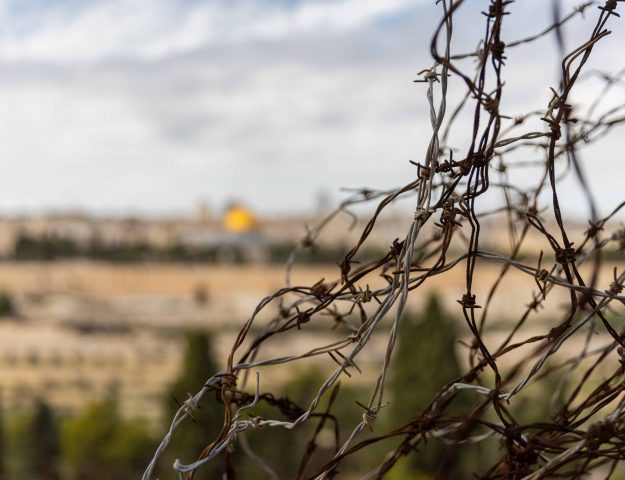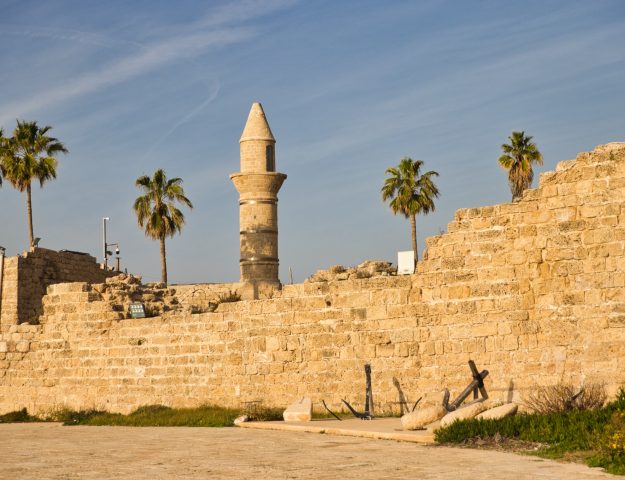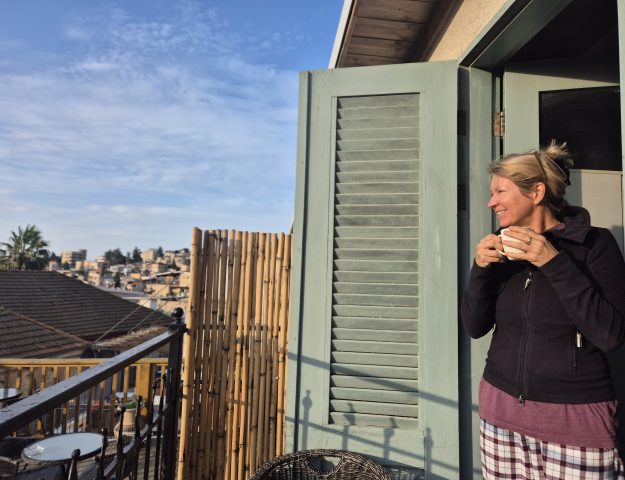
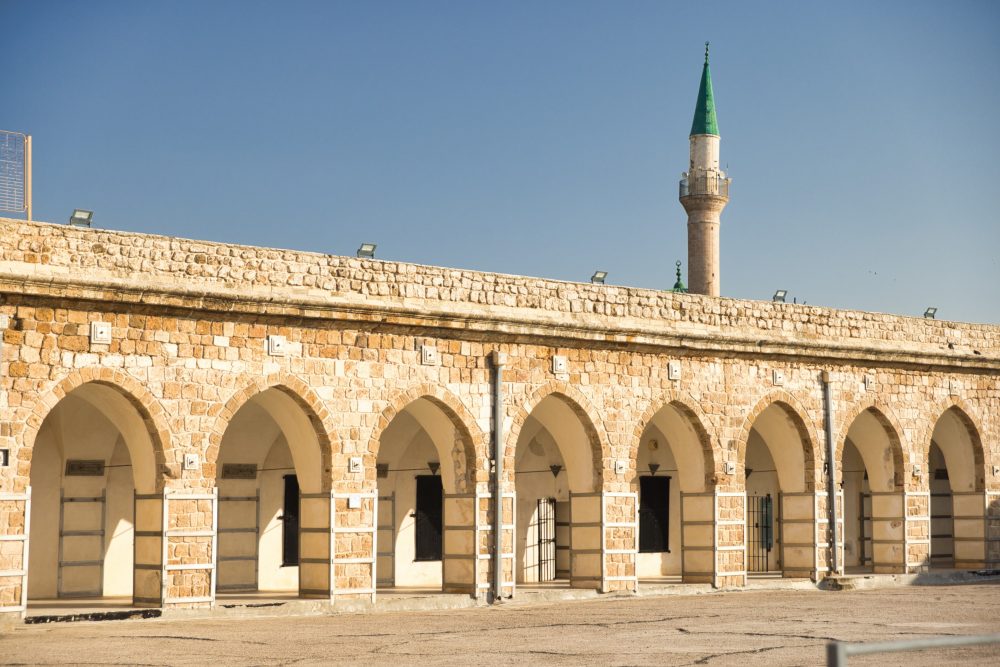
We are staying at the Templar Hotel right in the German Colony in Haifa with view onto Haifa‘s main attraction, the Baháʼí Gardens.
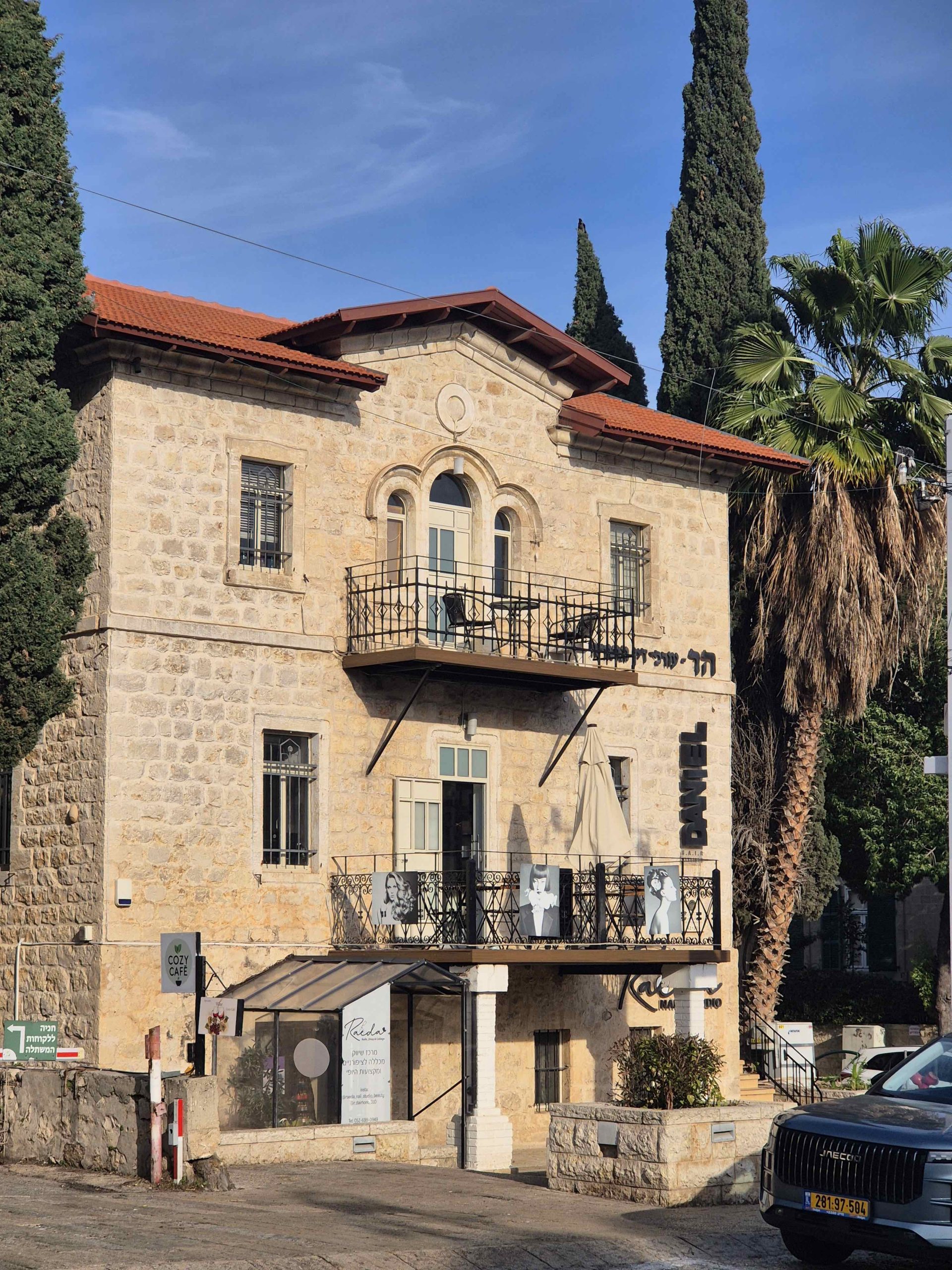
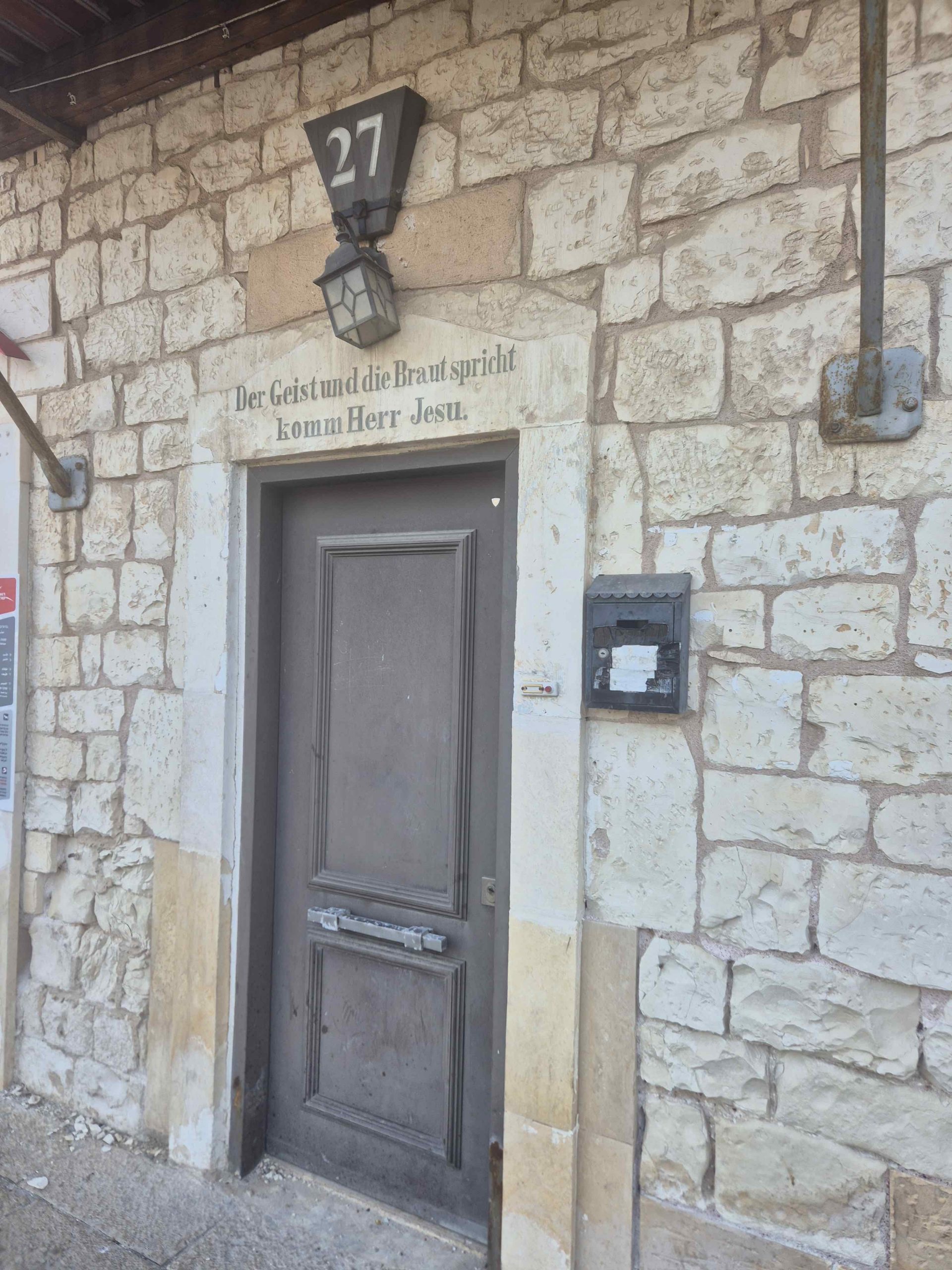
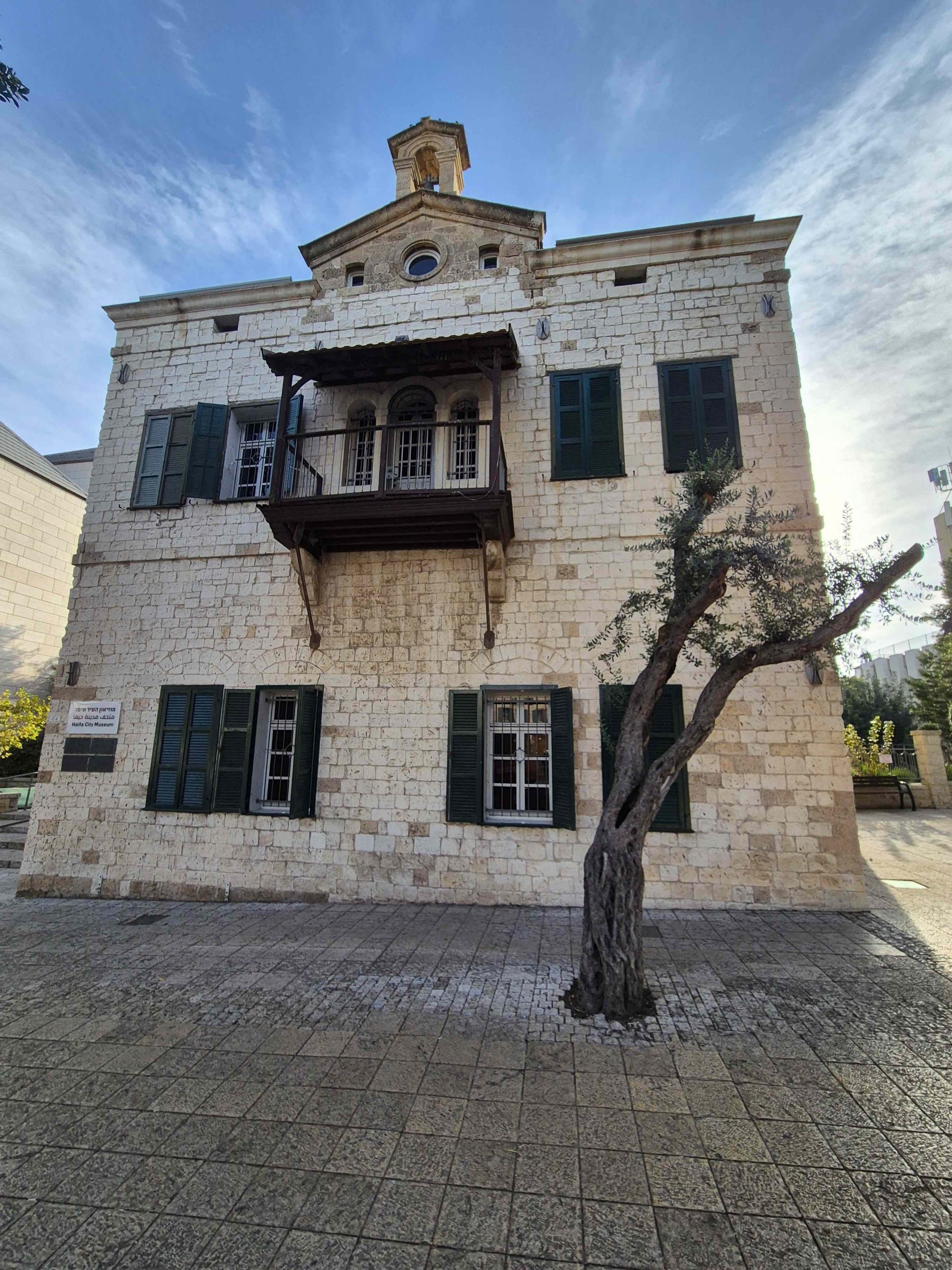
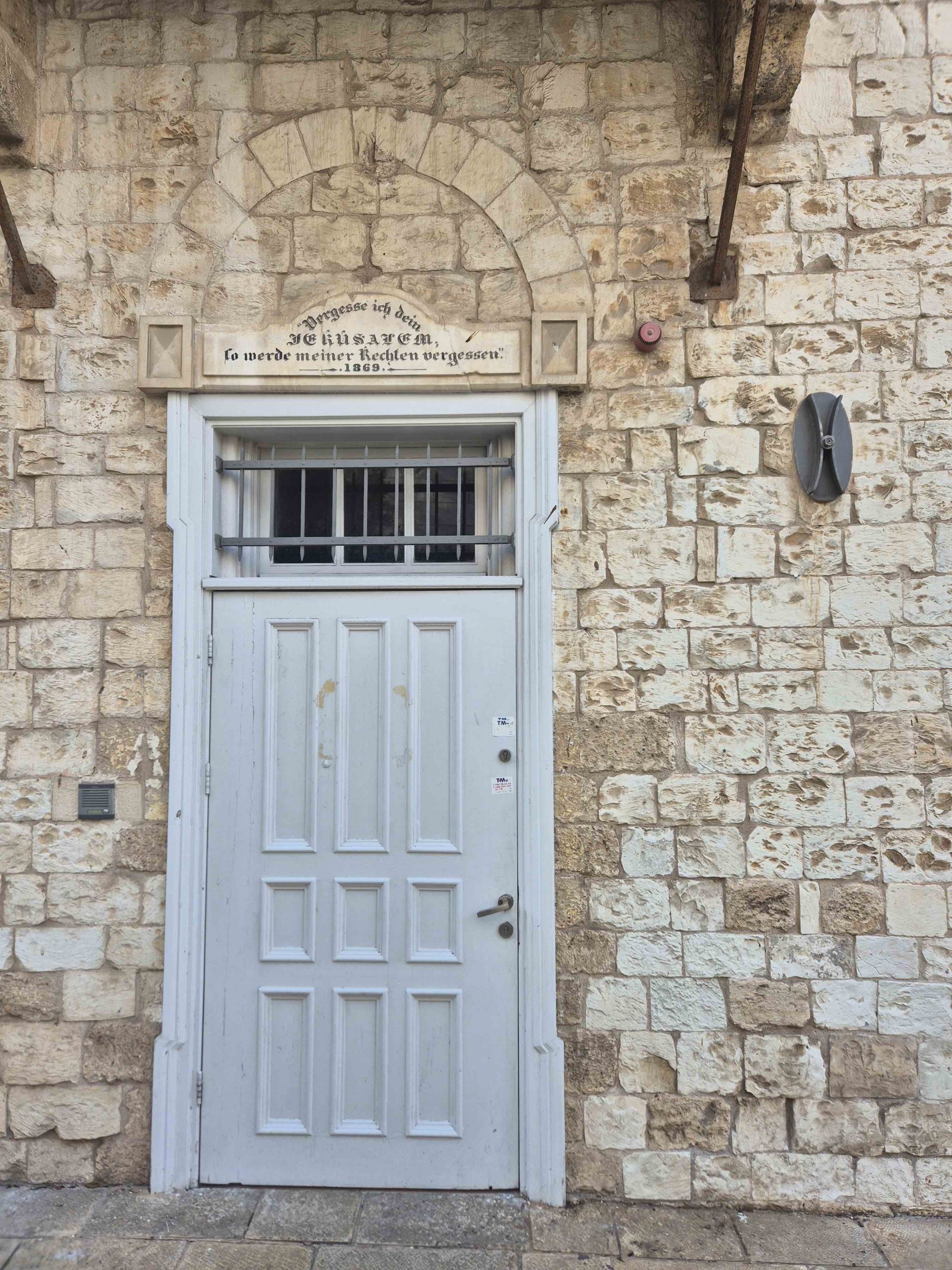
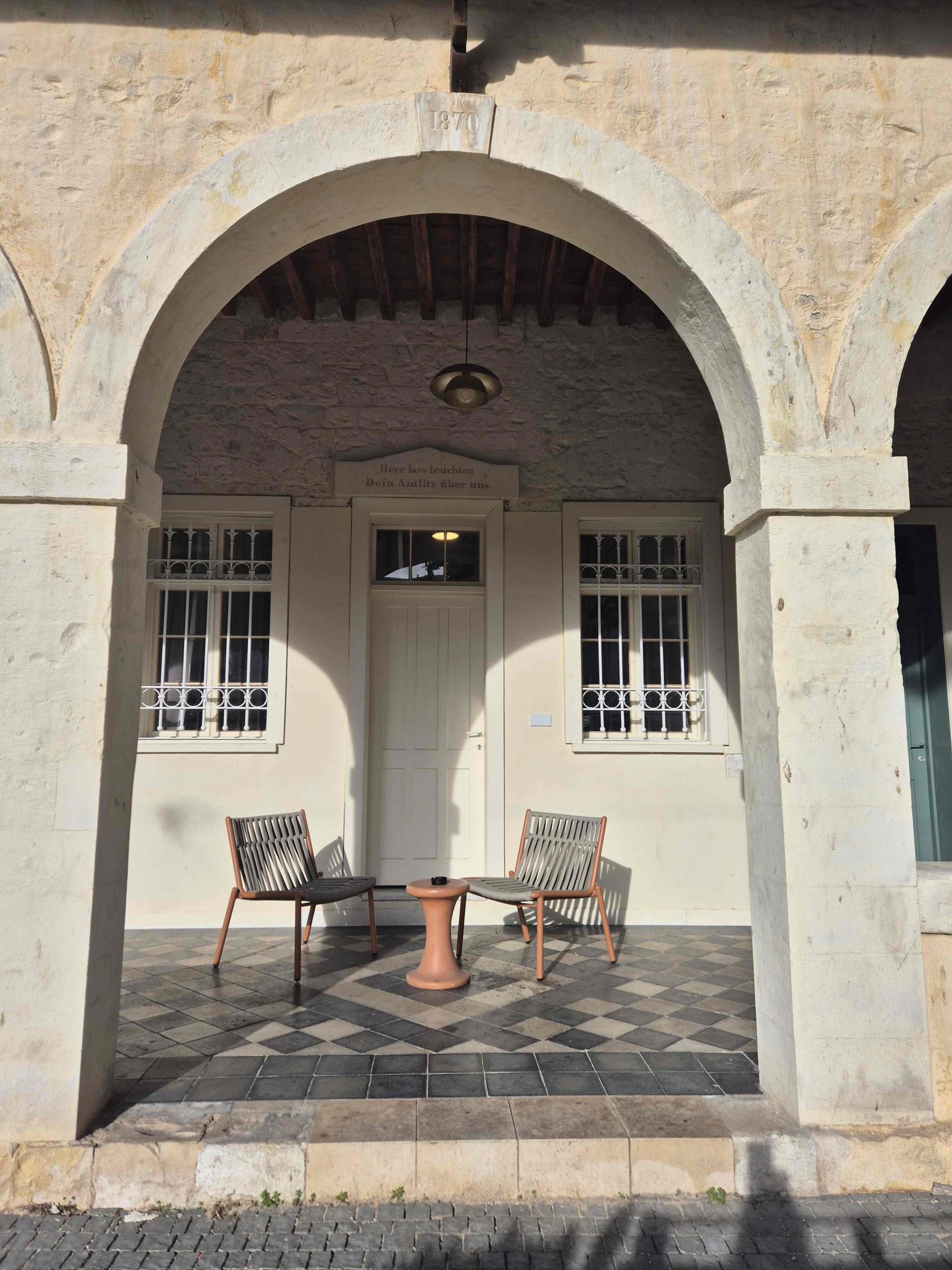
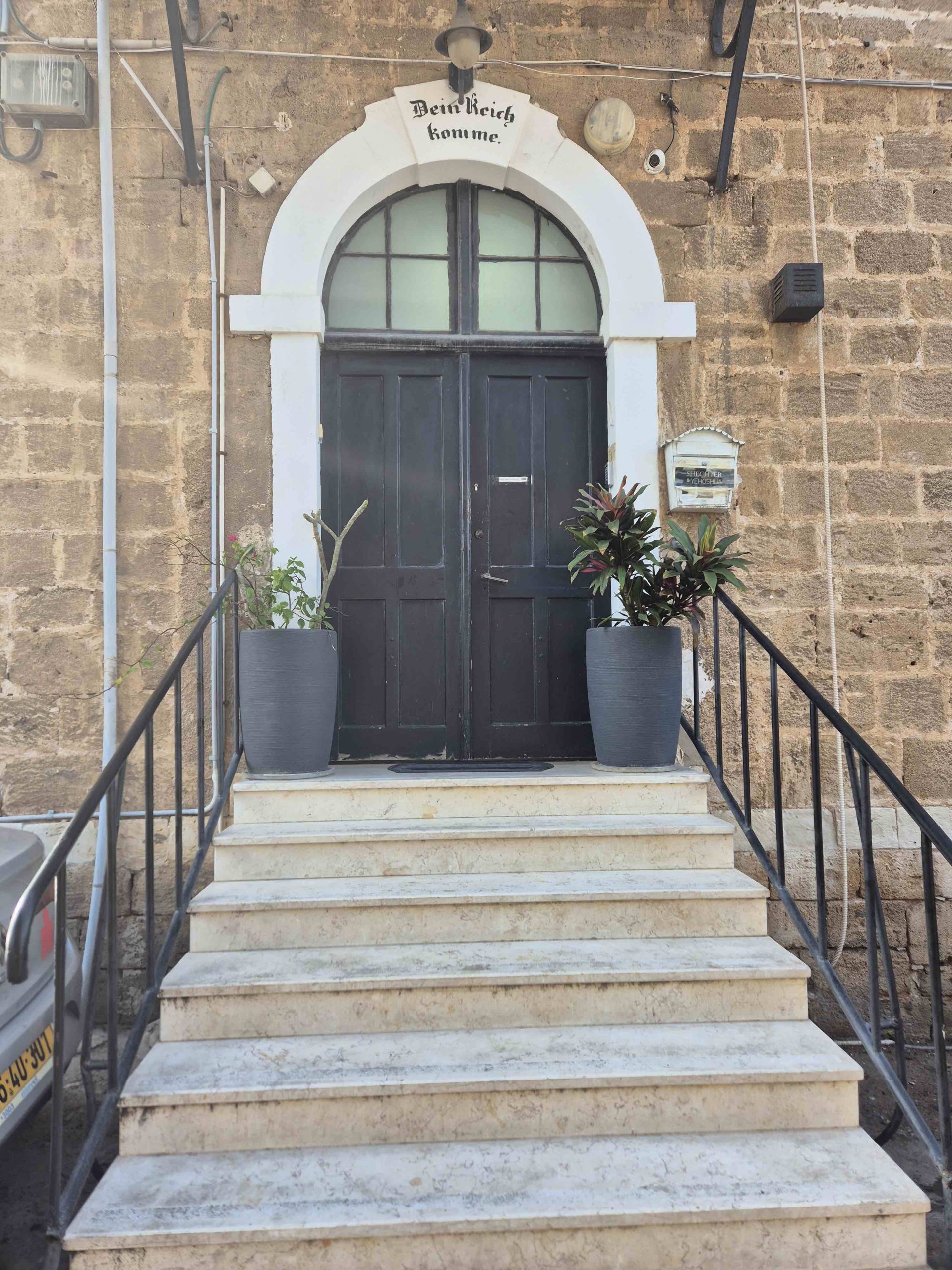
The German Colony was just that. German settlers coming to the holy land and setting up shop here very successfully bringing engineering, agriculture, wine making and beer brewing skills with them. The German colony are pretty, well restored houses often with German phrases on top of the doors and restaurants called Schtrudel. Our hotel is on the main drag leading up to the gardens.
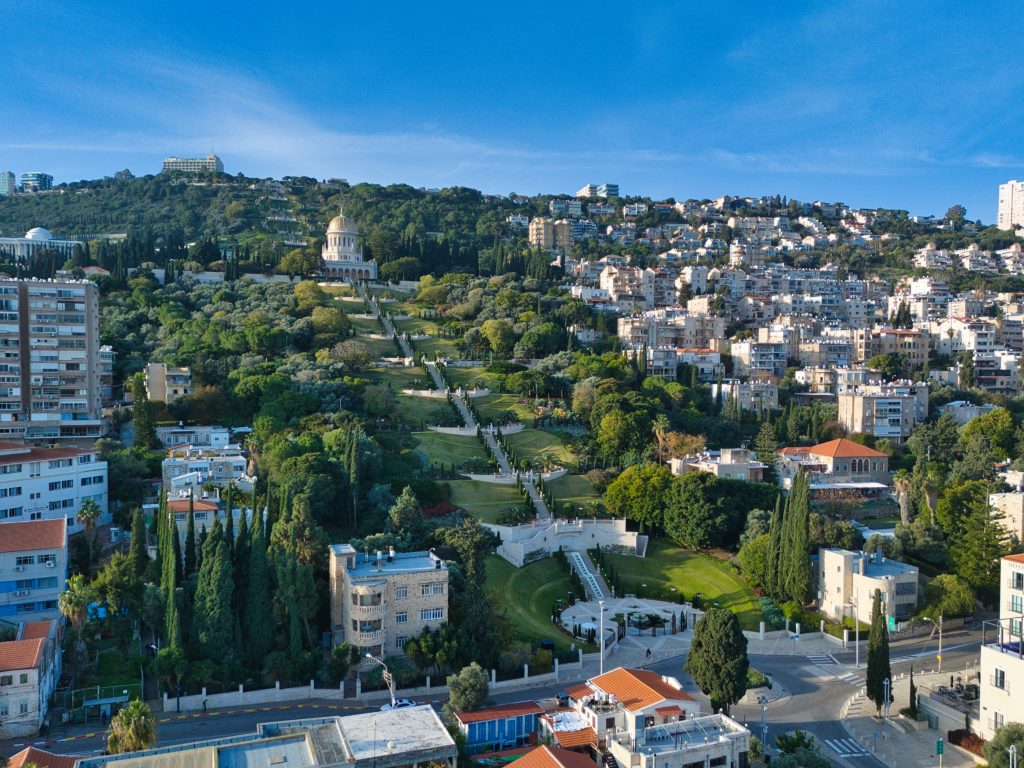
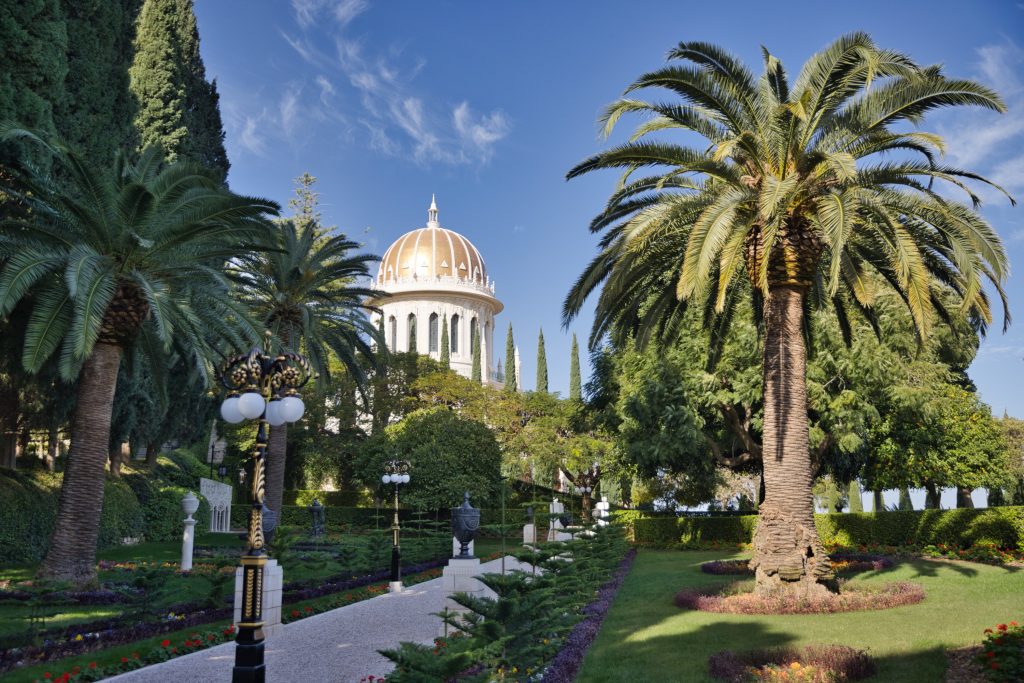
The gardens were created to house and honor the grave/shrine of Bab, visible by a golden domed building in the middle of the gardens. Baháʼí started as a fairly modern religion founded by an Iranian, Ali Muhammad Shirazi proclaimed himself to be the Báb, literally the “Gate” to a new era of divine revelation and a forerunner to future prophets. This relatively young religion, founded around 1850, introduced ideas that were radically progressive for its time. Central to the Baháʼí faith is the belief that all men and women are equal, and that all religions share a common origin and should coexist peacefully.
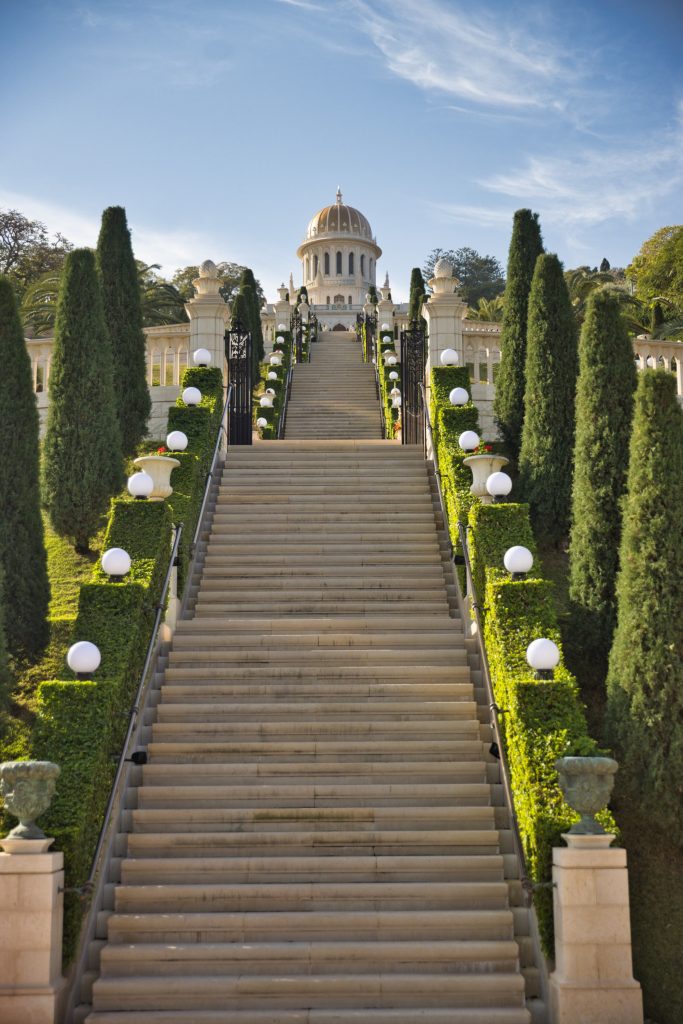
What sets the Baháʼí faith apart is its conviction that faith and reason—religion and scientific inquiry—are not in conflict, but complementary. Both are seen as equally valid paths toward truth and understanding. In a world so often divided between belief and knowledge, this insistence on their harmony feels strikingly modern. The global headquarters of the Baháʼí World Centre are located in Haifa to this day.
The Baháʼí faith currently counts an estimated six to eight million followers worldwide. Today, the largest Baháʼí communities are found in India, parts of sub-Saharan Africa, Southeast Asia, and Latin America, with smaller but established communities across Europe and North America. The faith is also considered one of the fastest-growing global religions, largely because of its emphasis on education, social engagement, and its non-missionary but open approach to belief. It also has its own calendar, with distinctive holy days and festivals that structure religious life independently of other traditions.
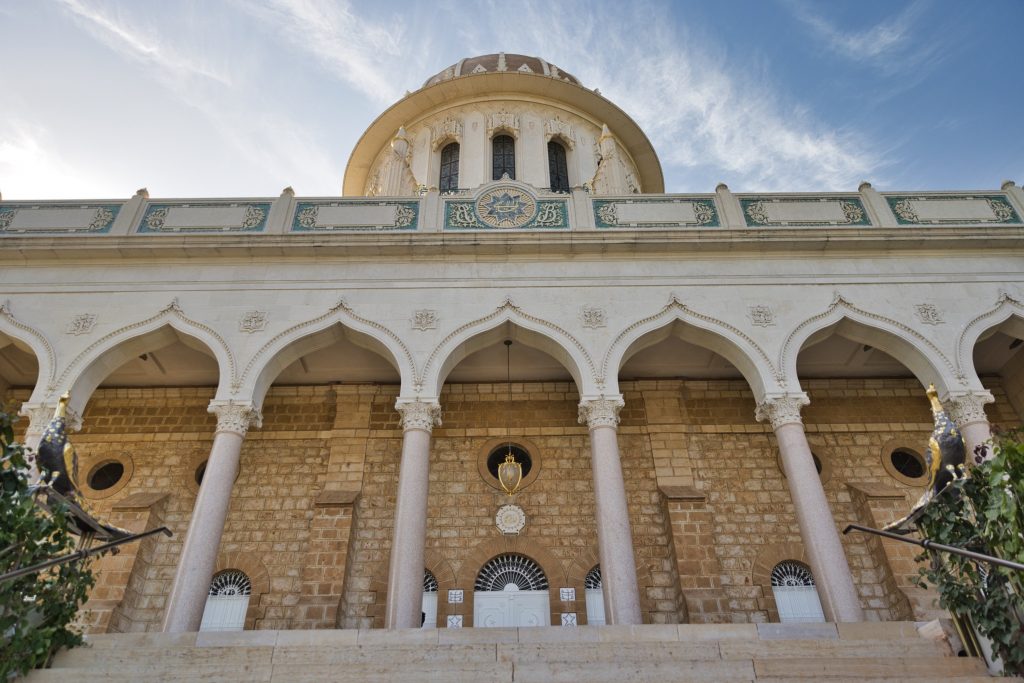
While the human remains of Bab were laid to rest here in 1909 (after having been hidden in Iran for many decades) the upper and lower gardens were created much later, between 1989 and 2001. They are beautifully laid out across many terraces in a very symmetrical fashion. Like botanical gardens complete with fountains, statues and palm trees. Weirdly enough you cannot visit the entire gardens from one access spot.
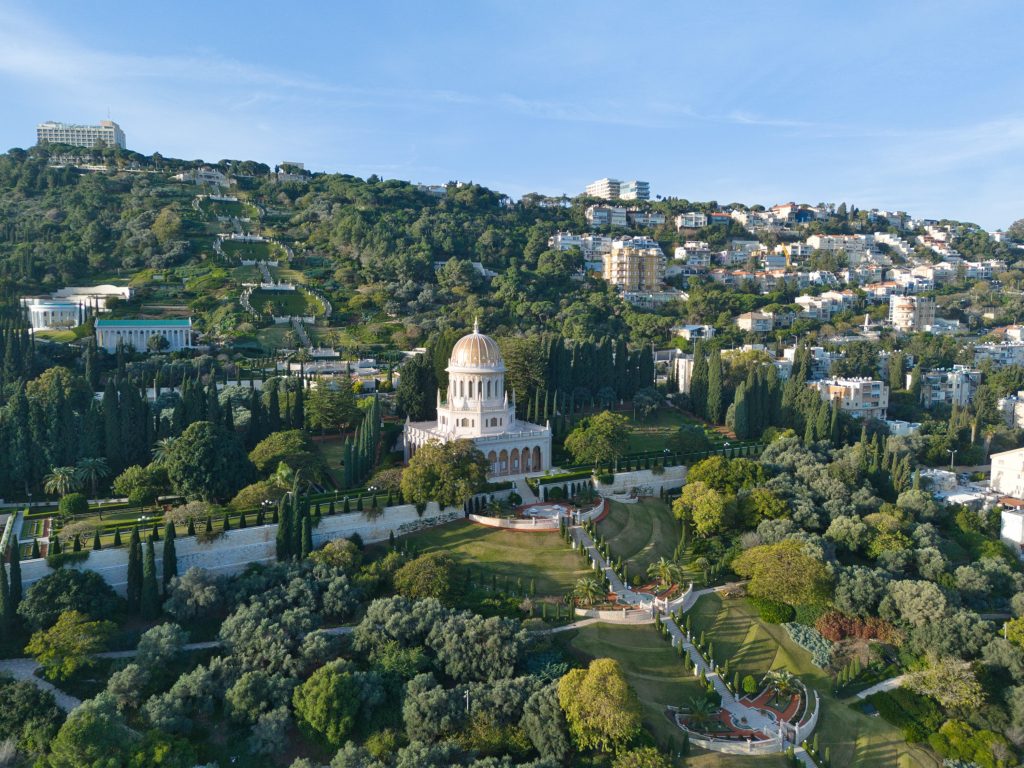
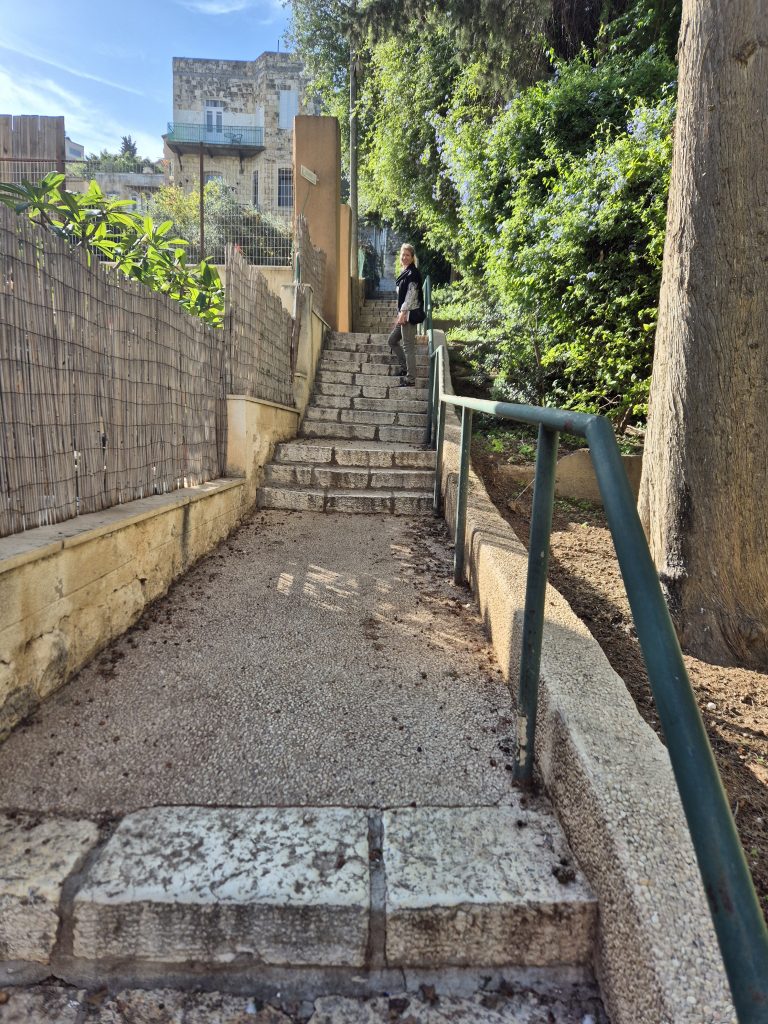
On the lower end there is a limited access only to the first fountain. In the middle the access is only to the shrine (which looks prettier from the outside than the inside) and for the upper access one needs to drive or walk to yet another entrance gate with limited access to a portion of the gardens. Why that is we have no idea. So we went to the lower access, and the middle one, walking up hundreds of stairs, leaving the top access for tomorrow.
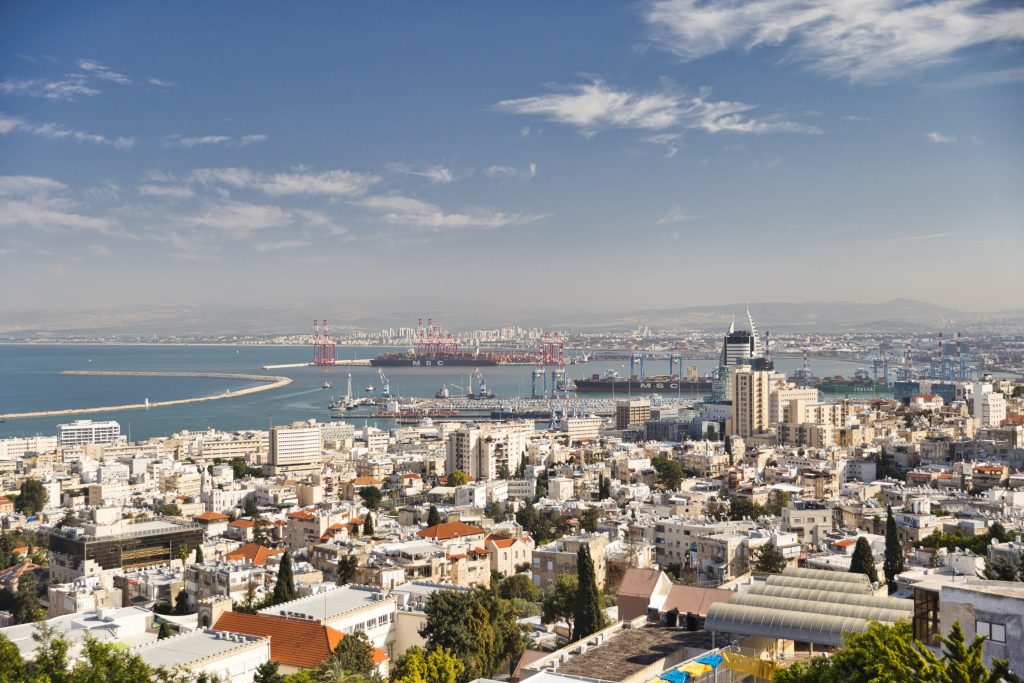
Nevertheless the view from the middle terrace over Haifa and the Mediterranean sea is stuning. The gardens do look very pretty in sunlight.
Rather then climbing up another 25 minutes to the top entrace, we decided to leave that for tomorrow and go to Akko instead for the remaining half day. The drive was short (30 min only) and after parking our car outside the old city we set out on foot to explore one of the most important ports during the cruisader period.
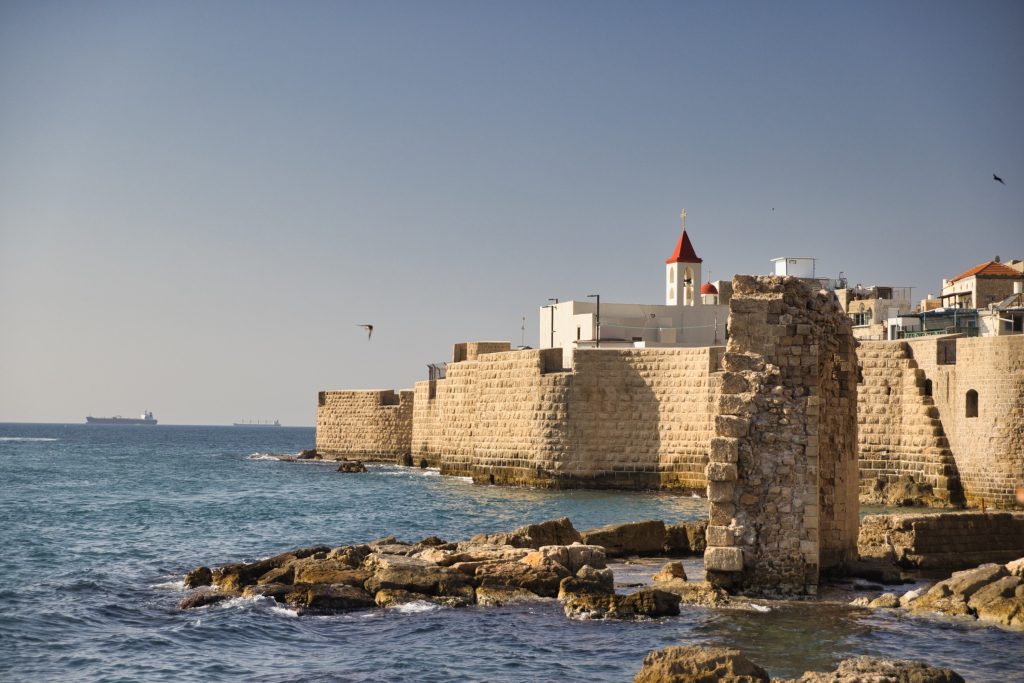
Akko is North of Haifa and was of immense importance due to the harbour that allowed easy access for larger ships and was ideally placed for trade in the Mediterranean. Artefacts from as early as the bronze age were found here and the city was built, destroyed, rebuilt and extended multiple times over the millenia by various groups.
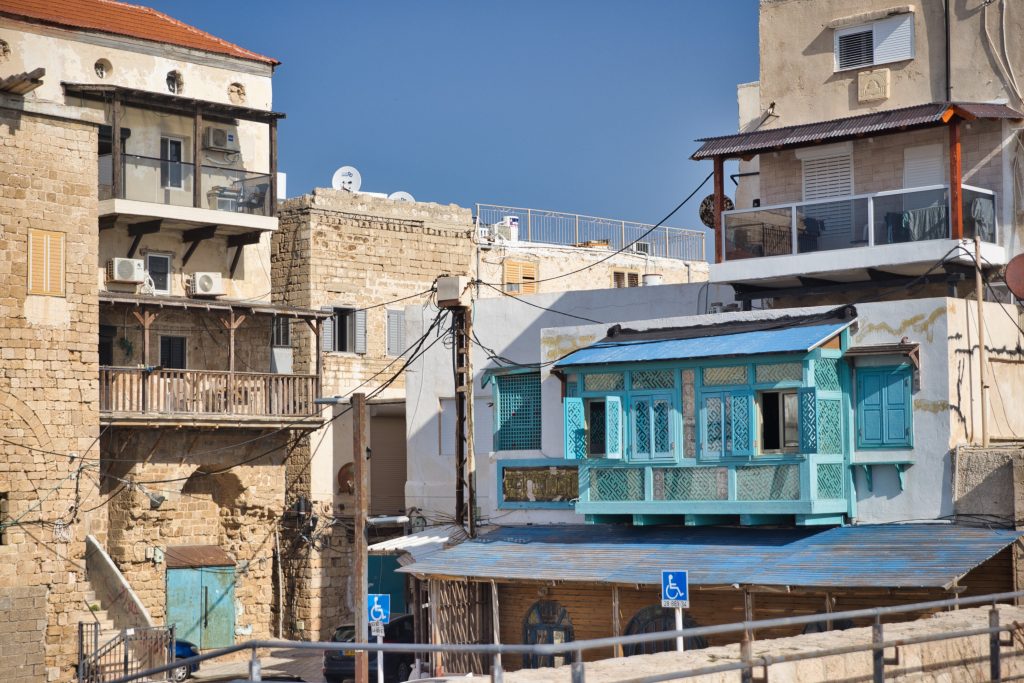
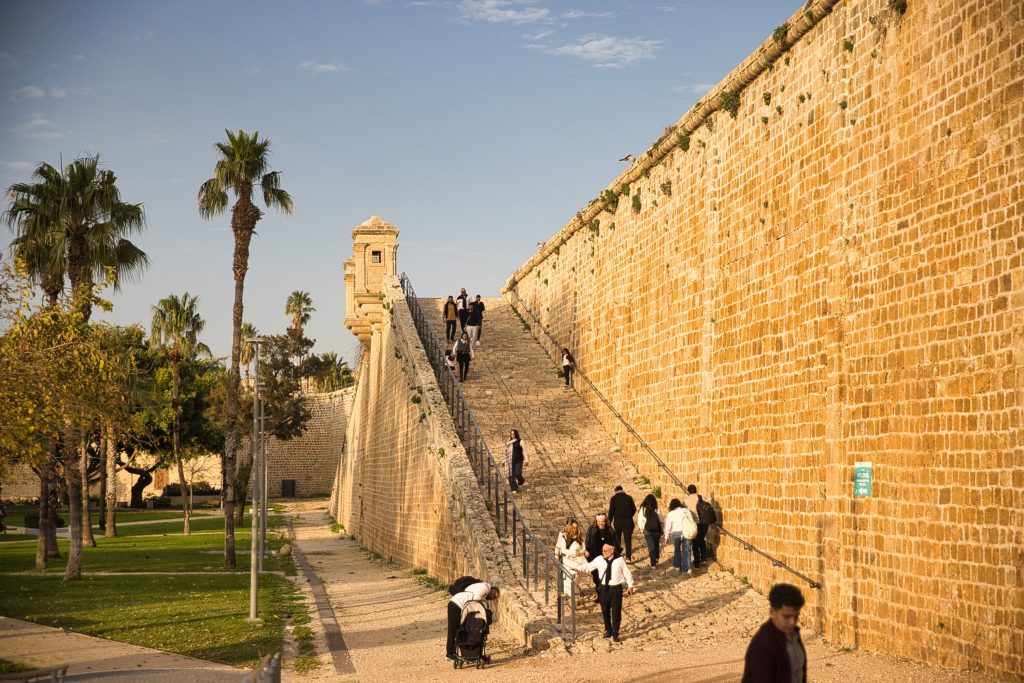
Powers such as the Phoenicier, Mameluks (todays Egypt), Byzantinians, Romans, Arabs and European cruisader nations have all had their share of control and loss of it over the years. Today Akko is like a open air museum with real people in it. We wish they would have restricted the use of cars in that old city more, as wherever possible there is space a car is parked there. The atmosphere would have been even more authentic without all the cars, motorbikes and scooters whizzing about.
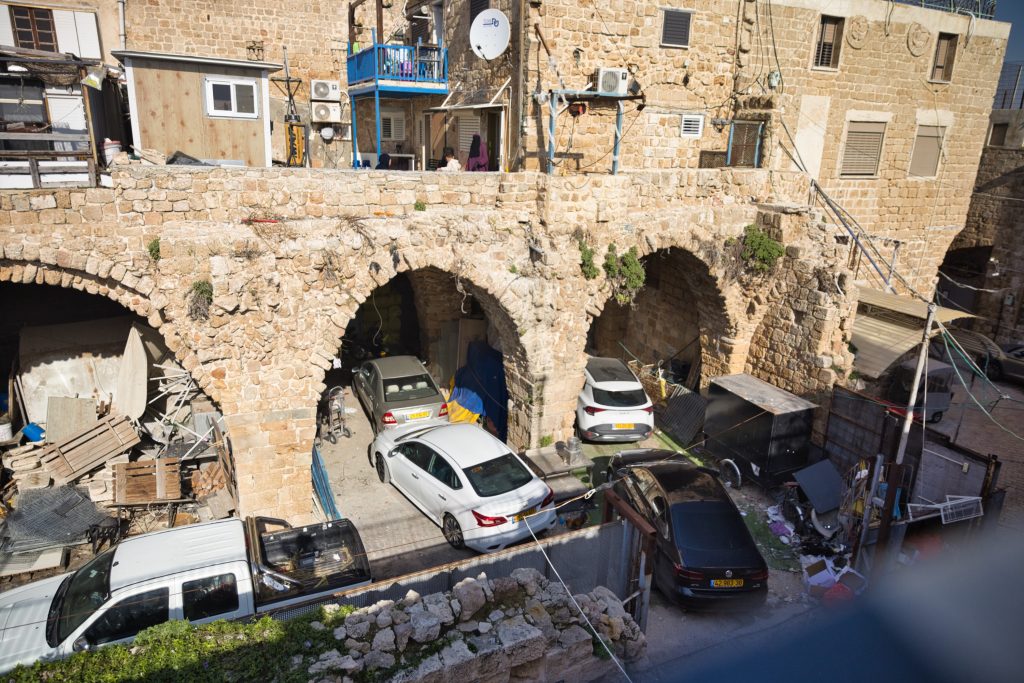
Someone described Akko as a having a flair of Dobrovnik with edges. Much of the old town is just as it was in ancient times. Two storey houses, narrow streets, some so narrow that no car can even pass through. A souk with many shops lining the street sides, offering all kinds of wares, not only touristy souvenirs which is refreshing.
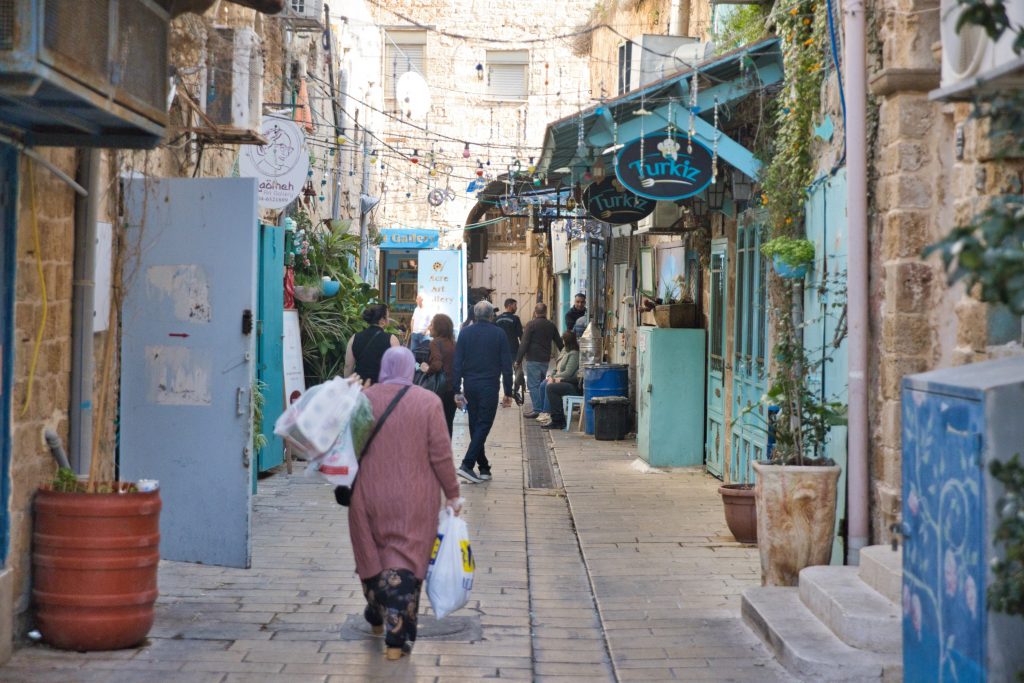
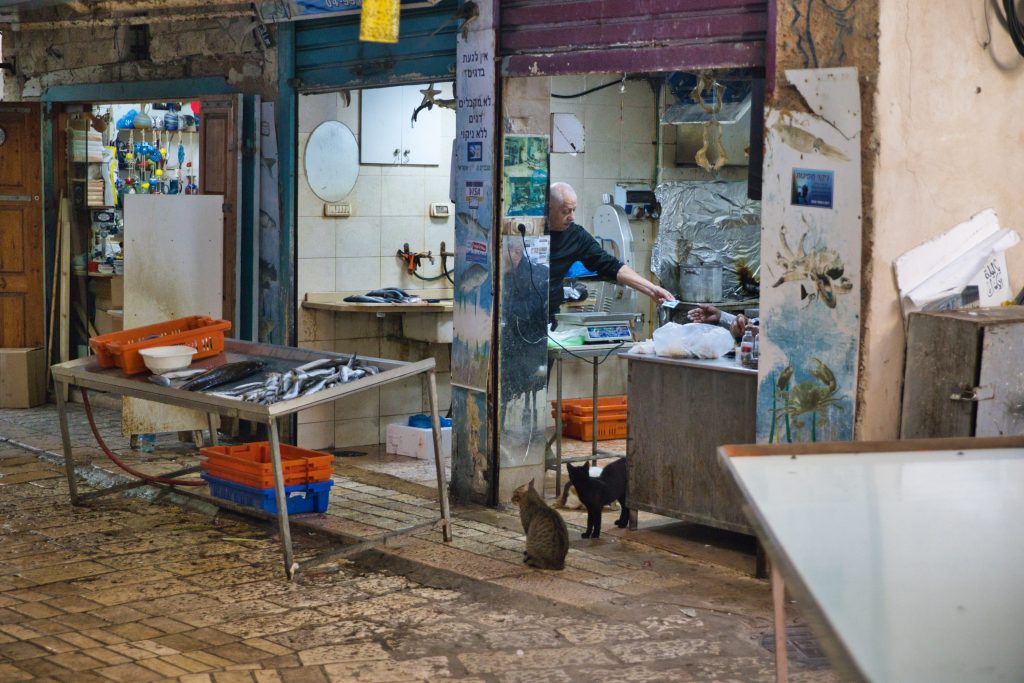
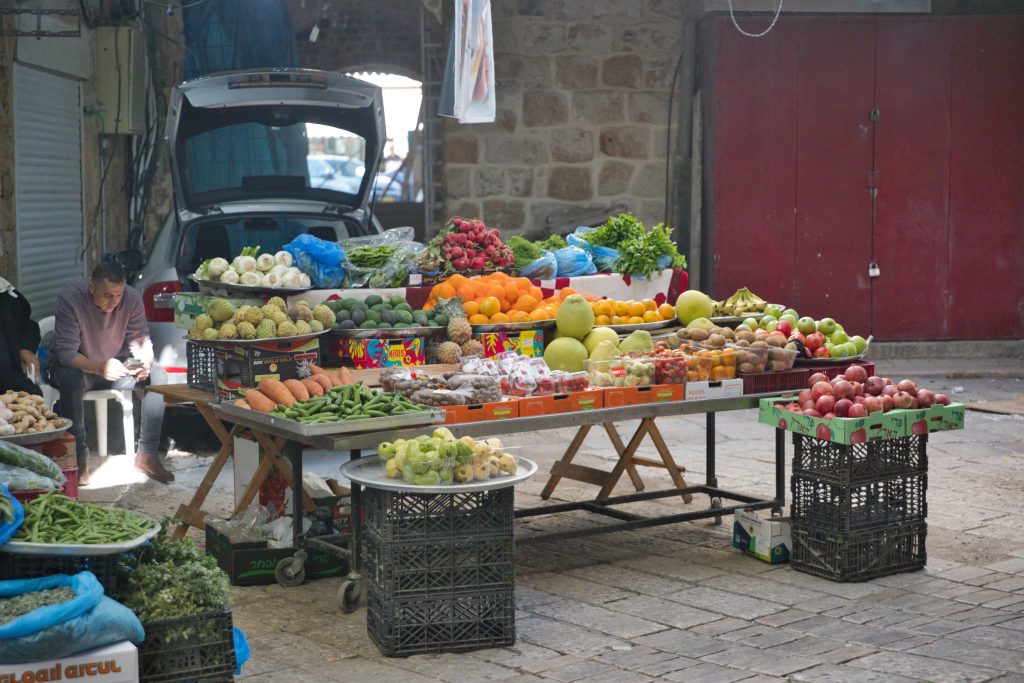
Akko has 6 mosques and 4 christian churches, as well as a large synagoge. It is a mix of religion and population like in most places in Israel.
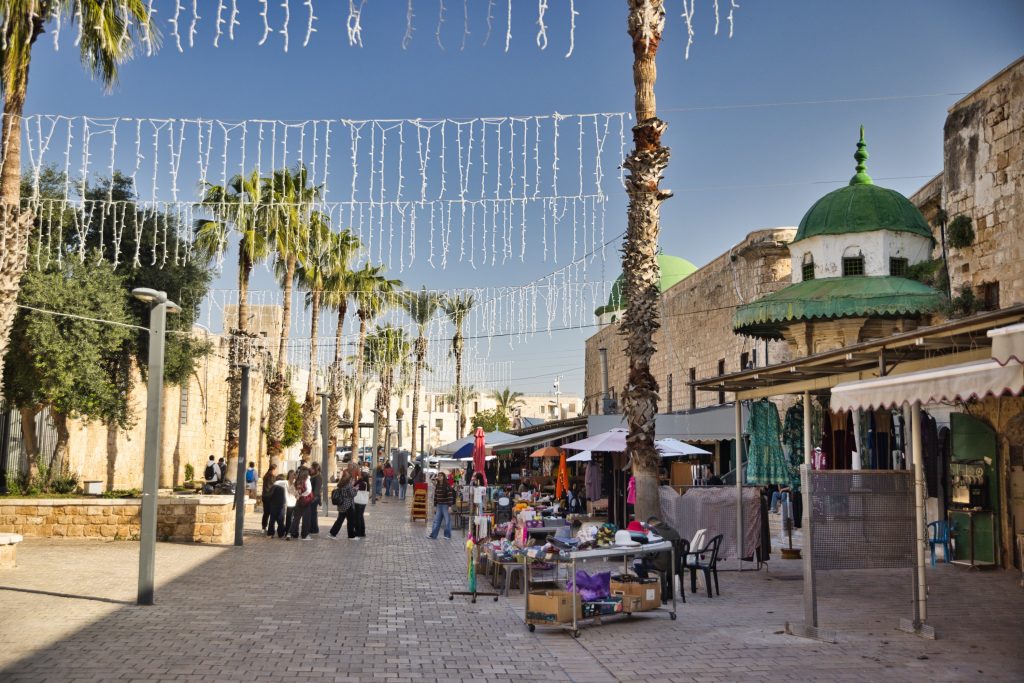
For many cruisaders and pilgrims Akko was the port of entry into the holy land. They were welcomed into the impressive Akko Citadel complete with reception hall and knights halls. We walked the entire building with its many chambers, halls and corridors – a massive stone construction, the thickness of the walls as well as the height of the various knights halls is staggering. Tons and tons of stones must have been hewn and moved into position over the years.
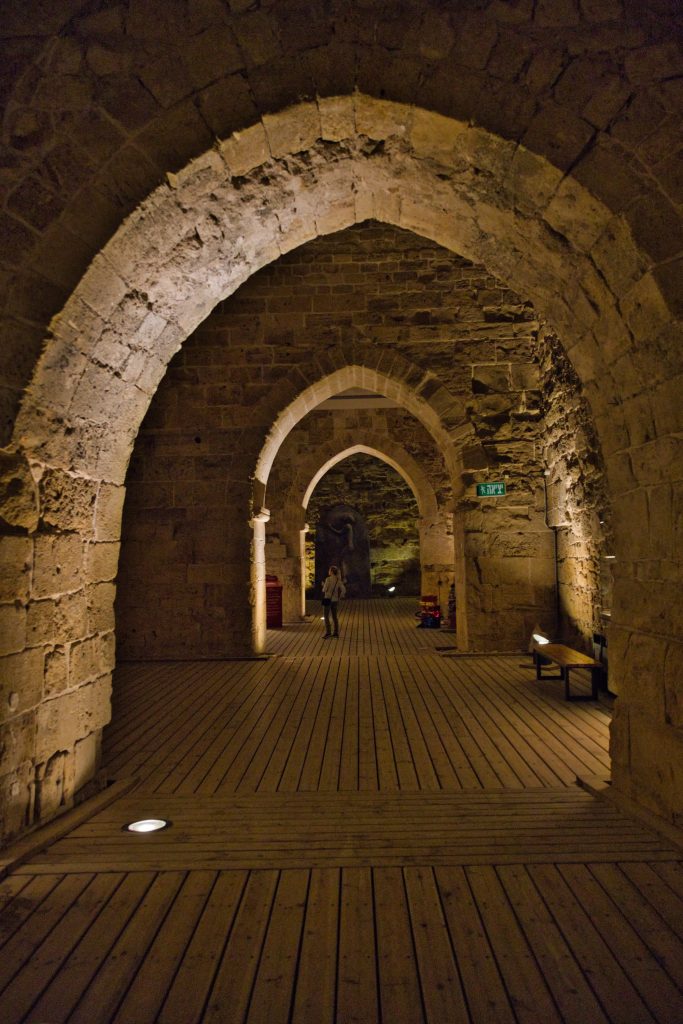
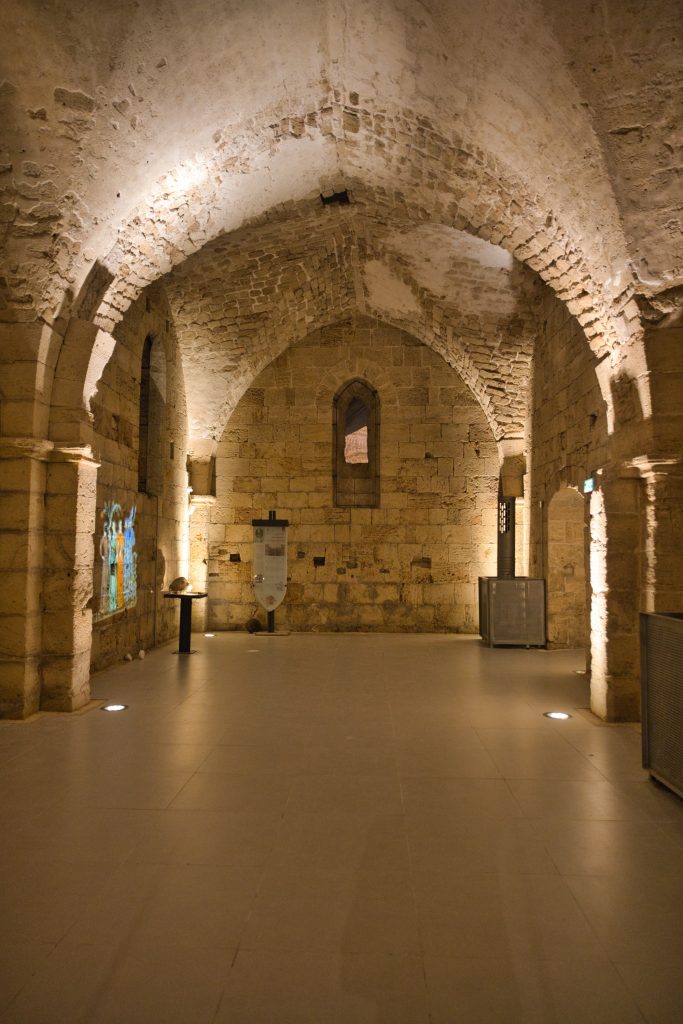
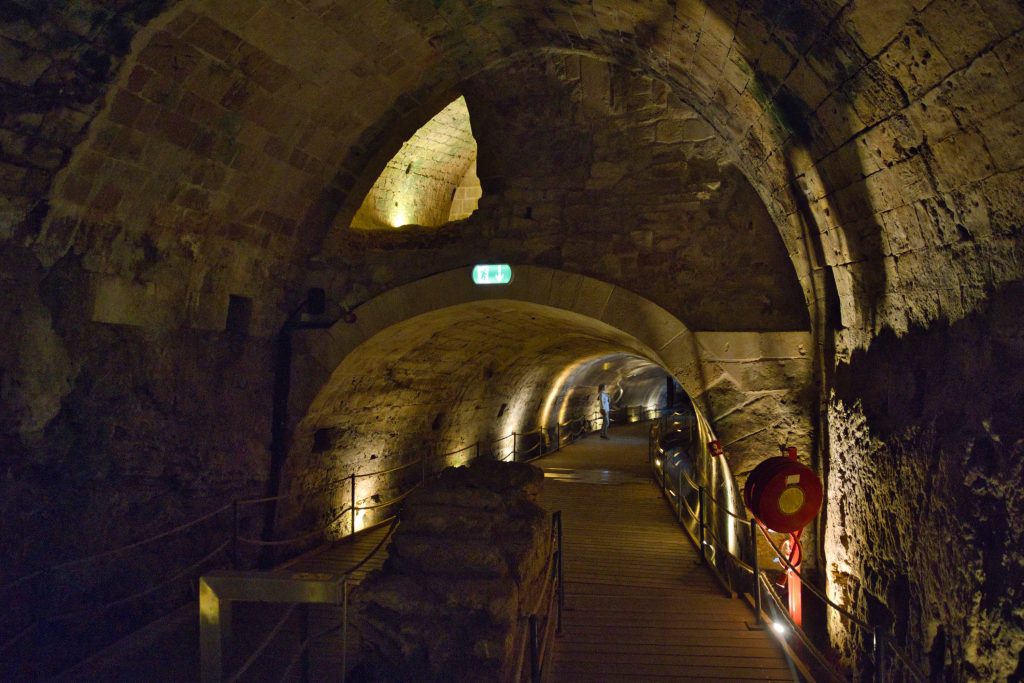
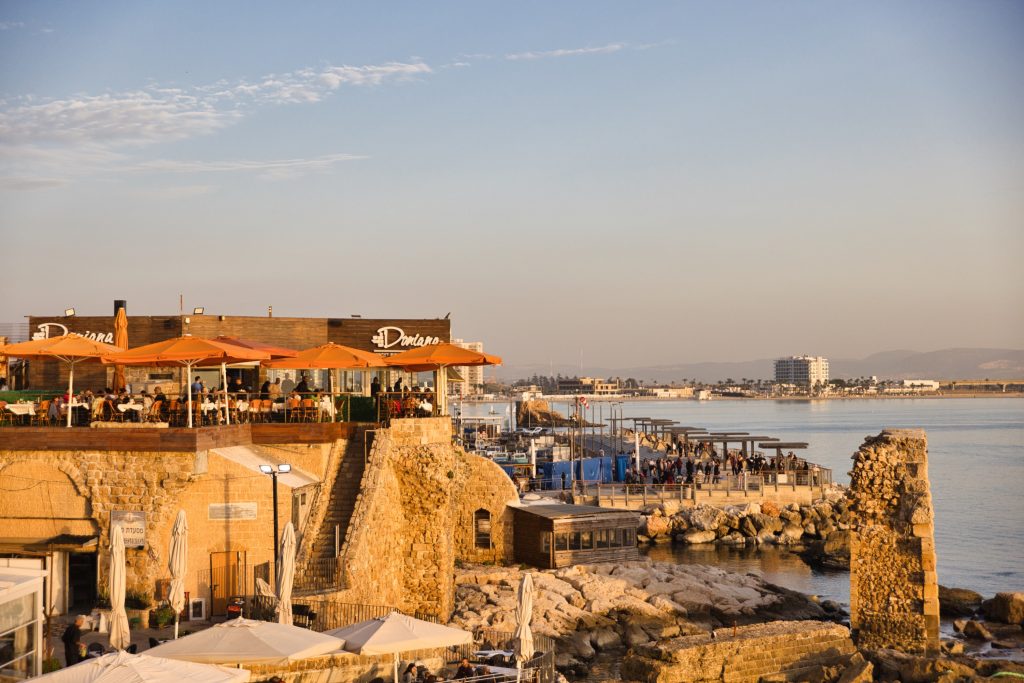
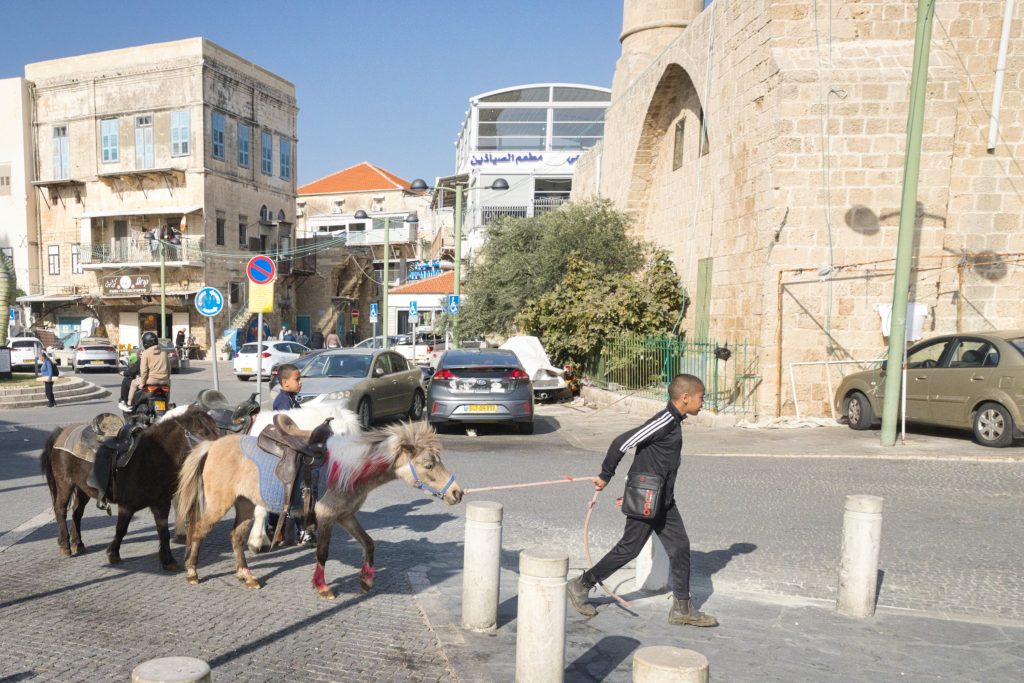
We took our time to visit and criss cross through the old town at leisure. We samples some delicious sweets at the souk, drank a cappucino at the harbour while watching the pony rides go on in front of us.
We ducked our way through the Templar tunnel connecting the citadel with the harbour. A 350 meter long underground tunnel that was only discovered in 1994 allowing direct access from the sea to the citadel in a protected way, in case of a land siege of the town.
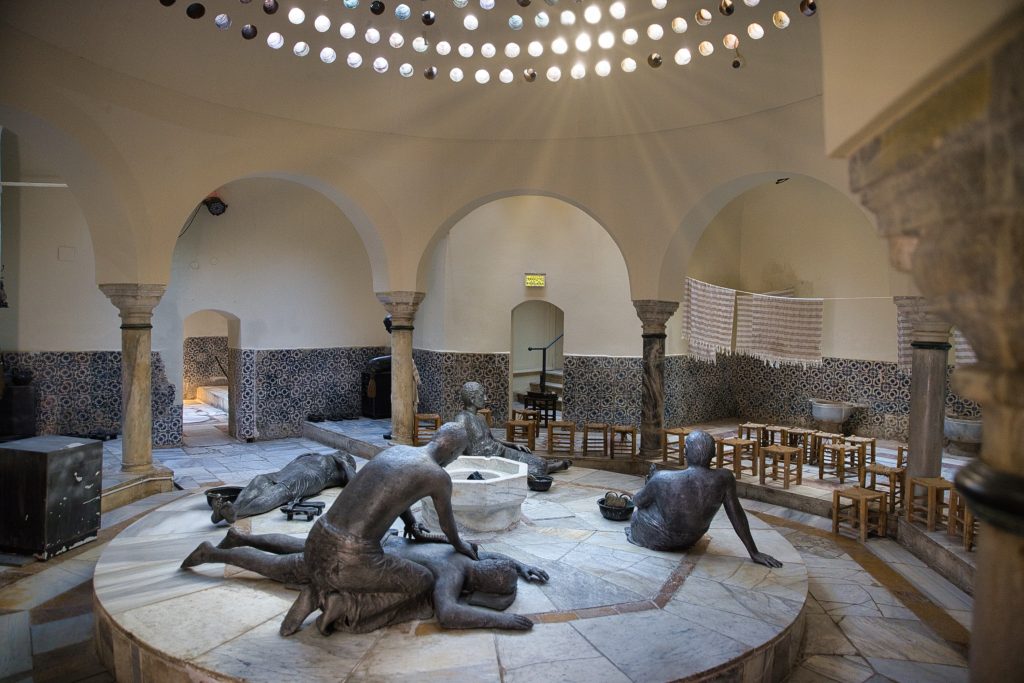
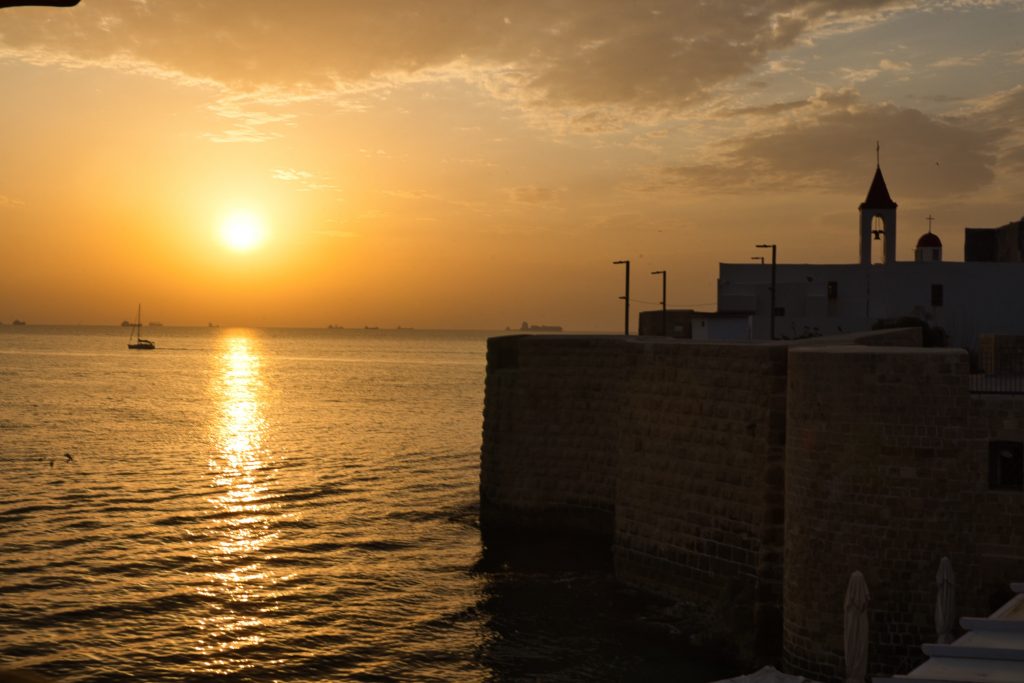
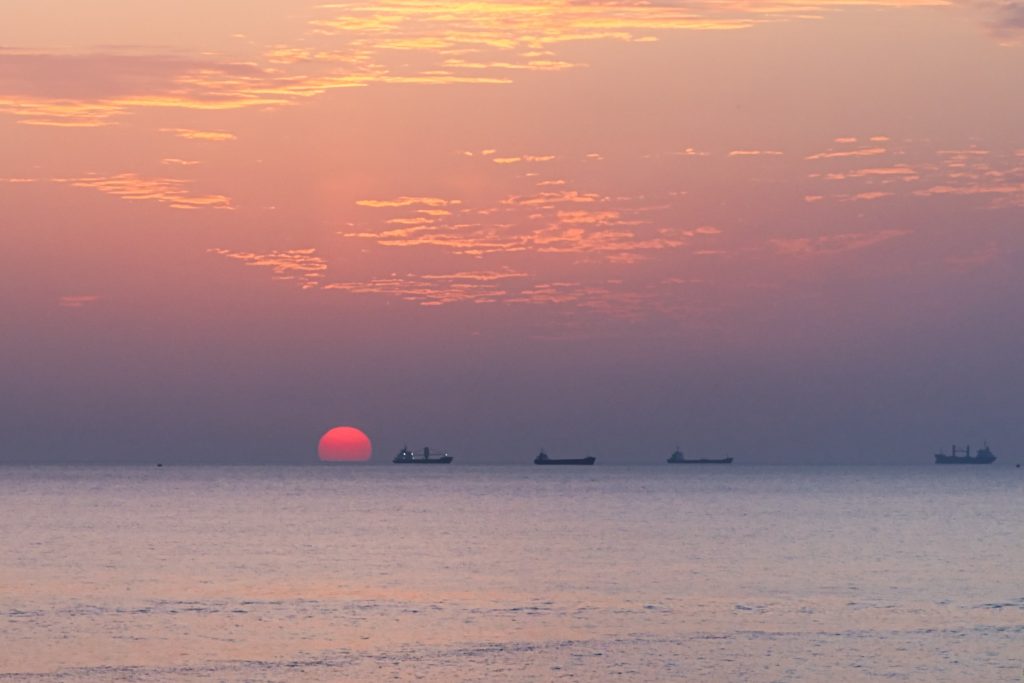
We visited the Turkish bath house, at the time a central meeting point for town folk, where politics were discussed, deals made and personal hygiene observed. After a sun filled stroll on top of the massive city walls, after all, Akko was one of the best to defend fortresses of it‘s time, we let the day end with a sumptuous dinner at a great restaurant at Akko harbour enjoying the setting sun and an excellent grilled sea bass.