Today is our departure day—time to take stock of our journey through Israel, each of us from our own perspective. Esther goes first.
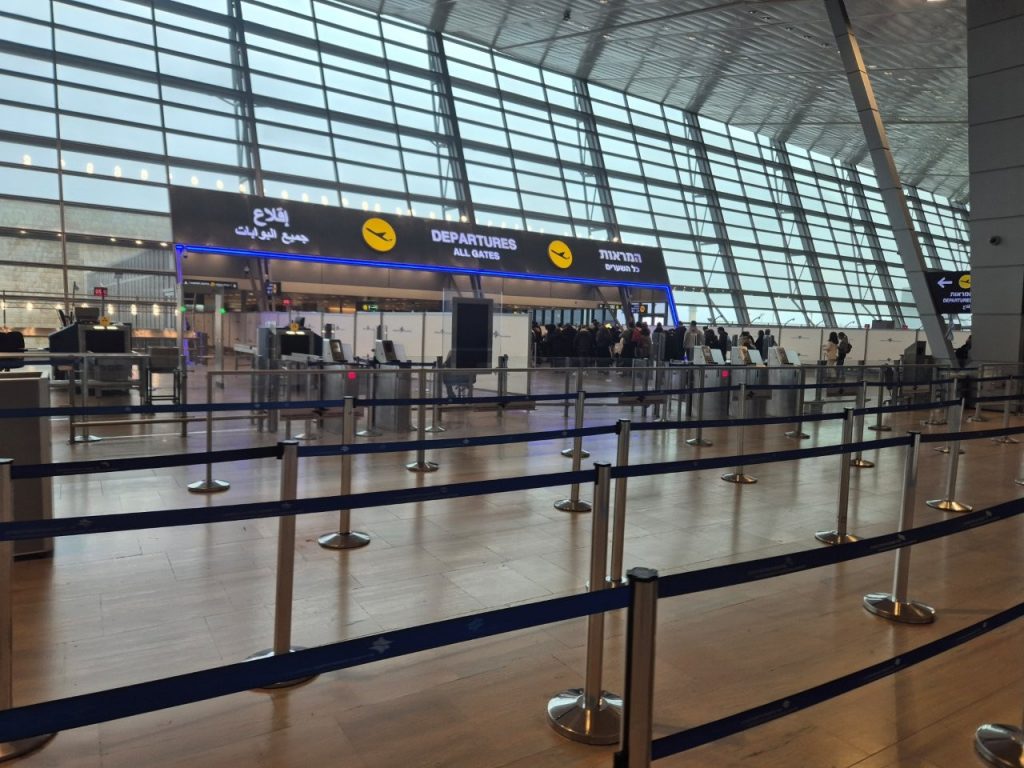
As we have to be at the airport fairly early (Chris warned me that leaving Israel won‘t be such a breeze like when we entered) I was expecting long lines and getting questioned about our stay here. We left Haifa mid morning and arrived at Ben Gurion airport around 1.30 PM CET for a 5 PM flight. It was pouring rain and quite windy, so it is only fitting that we leave Tel Aviv in the same weather when we arrived. All the days in between were actually fine, mostly sunny and quite warm.
The first short security check only consisted of 3 questions and we got a sticker on our passport. The check in was super fast and the security line for our hand luggage as well. Then one last passport control without any questions and hops were in the main terminal. Chris said that this must be because I was part of our party… he always had at least some hassle, we had none.
As I visited Israel for the first time I‘d like to share a couple of observations as a summary.
First of all I did not feel unsafe in any situation here, even driving through the West Bank on Israeli controlled roads. I also did not feel uncomfortable seeing so many young Israelis with guns on the streets or check points. It seems a normal way of life here. Secondly there is no point of embarking with any Israeli on any conversation that touches the relations to their Arab neighbours the sides are pretty clear defined and everyone already decided which side to take. No point in trying to make people see the other side.
Three, the two furthest opposed fractions are the fastest growing ones too. The arab Israeli community and the Ultra Orthodox Jewish community are the two fastest growing populations in Israel and moderate Israelis fear that long term that does not bode well for Israel.
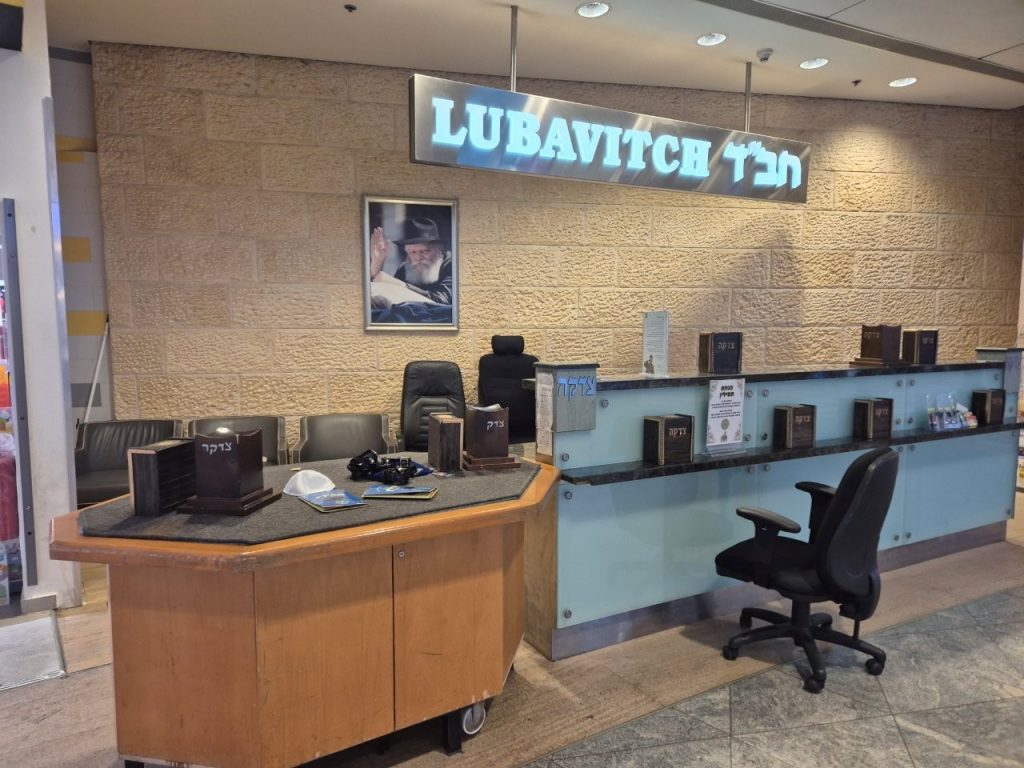
Interesting fact 1: On the back of virtually every street sign a large sticker is being glued on of Rabbi Menachem Mendel Schneerson, who has been dead since 1994 but was much revered and is still omnipresent on the roads at least visually everwhere here, even in the more moderate regions of Israel. And those stickers aren‘t 30 years old, they get replaced by fresh ones regularly.
Interesting fact 2: why are often in Washrooms and on fountains metal cups seen with two holders?
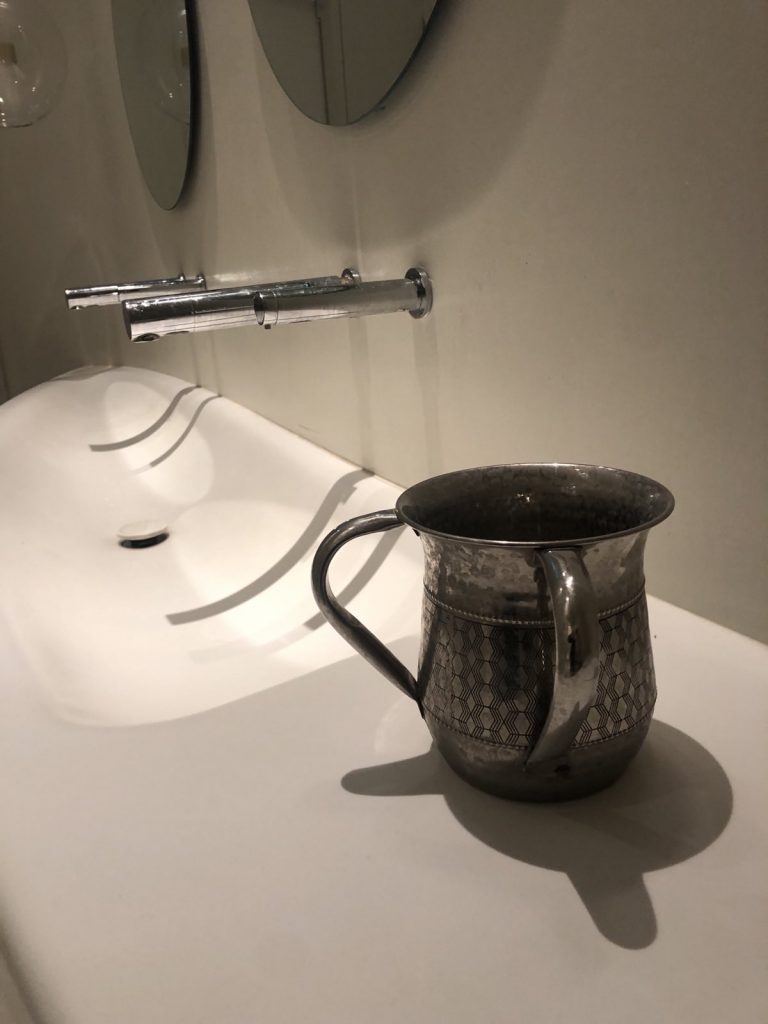
The metal cups found in Israeli restrooms are called Natla. They are used for ritual hand washing (Netilat Yadayim), a practice in Judaism required after using the bathroom, upon waking up, or before eating bread.
Here is why they are there and why they look the way they do:
- Religious Law (Halacha): According to Jewish tradition, the body is considered ritually impure after using the toilet. To remove this impurity, water must be poured from a vessel over the hands; simply holding them under a running faucet is not sufficient for the ritual.
- The Two Handles: You will notice most Natlas have two handles. This is for a practical religious reason: once one hand is washed and becomes “pure,” it should not touch the handle that the “unclean” hand was just holding. The second handle allows for a clean transfer of the cup from one hand to the other.
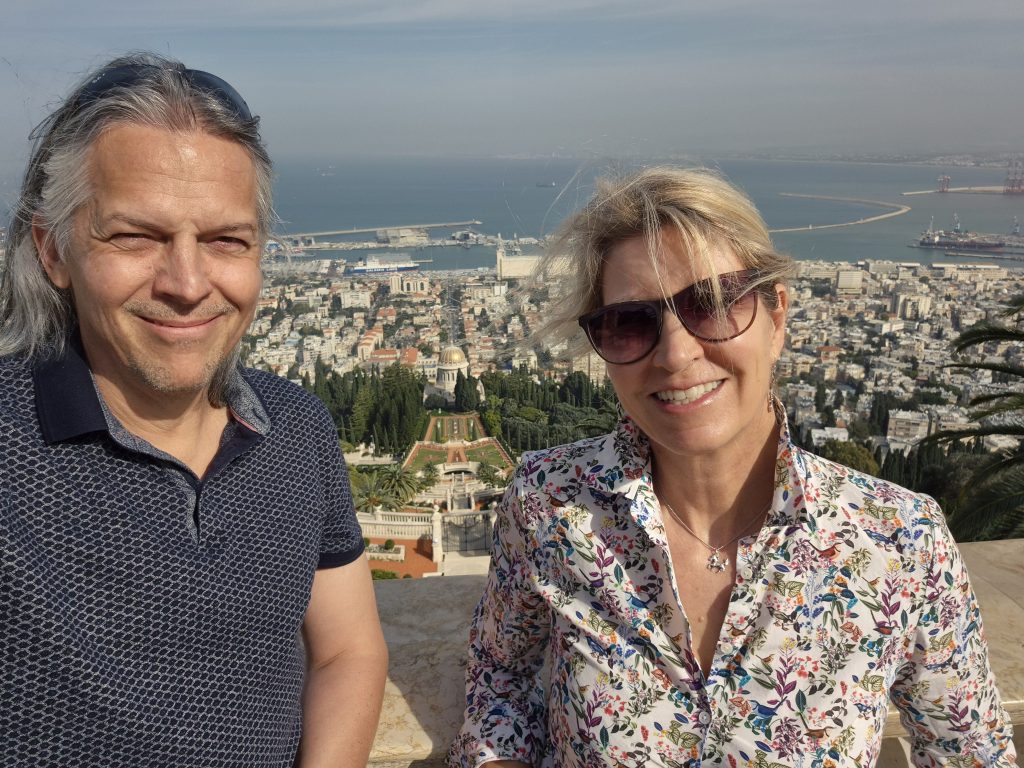
Chris’ perspective:
I had told Esther so many stories about my strange experiences in Israel: the intense, almost inquisitorial questioning by security officers when leaving the country, the peculiar rituals and rules that sometimes shape everyday life, and the often baffling food customs. But as soon as I started traveling with Esther, everything seemed a little different.
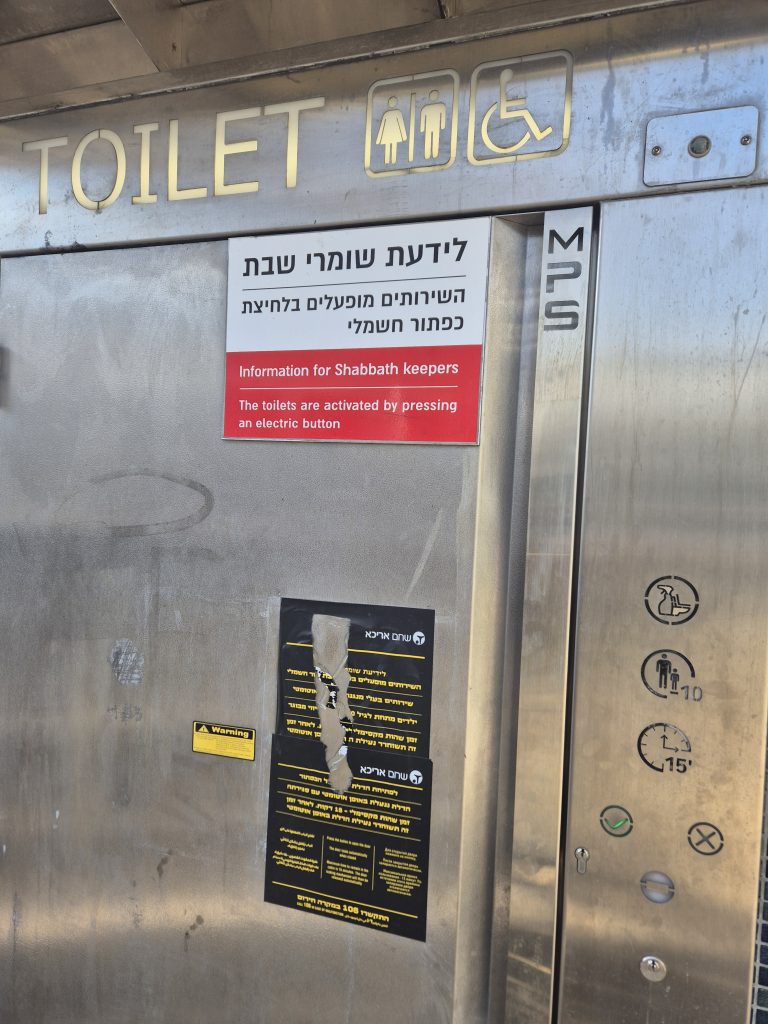
At Tel Aviv airport on departure day, things felt more like mild chaos than high-security theater that I was used to. We had to seek out the preliminary security check ourselves in order to get the sticker for our luggage and passports. We escaped the probing questions of the specialist security officer unlike the family man next to us, who was questioned in detail about visiting his sick father in Israel and were only asked the standard line about whether we had packed our bags ourselves. Perhaps there were simply fewer security staff around, with so many people currently called up for military service.
Elsewhere, too, things felt toned down. In the streets, we saw far fewer Israelis carrying weapons than I had on earlier trips – again, likely because many reservists are now on active duty. Even in Jerusalem, there were surprisingly few religious hardliners around, perhaps because tourism is still so low.
This was my fourth trip to Israel within a span of 25 years. What’s interesting is seeing what has stayed the same – and what has changed. For one, Israel has grown. Not just economically, thanks to a strong tech sector, but also in terms of population. When I first visited, the population was around 6 million; now it stands close to 9 million. That said, the official numbers also show a recent shift: In 2024 there was a 5% decline in Israel’s net population balance, with more people leaving the country than arriving. At the same time, overall population growth fell to one of its lowest levels in decades.
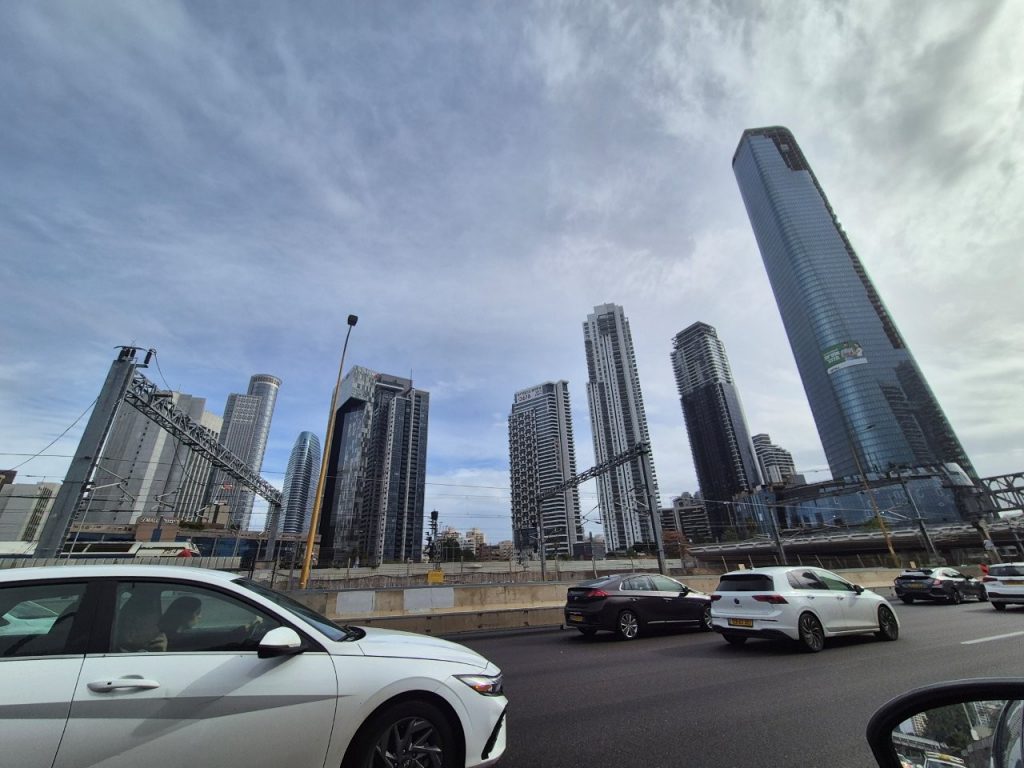
Israel’s physical appearance has changed through waves of new construction. Tel Aviv, for example, now has an entirely new skyline of high-rise towers – adding to an already strained traffic situation. And yet, much of the country still feels timeless. Jerusalem’s Old City, in particular, looks and feels pretty much the same as it did twenty-five years ago.
The deeper changes are more subtle. Back then, you could still take an Arab taxi in East Jerusalem and drive straight into Palestinian Bethlehem. Today, vehicles with Palestinian license plates are rarely allowed that access. More broadly, the visible Palestinian presence has diminished. Even in the Arab quarters of East Jerusalem, more and more Israeli flags now fly over buildings that were once owned by Palestinians.
But what struck me most was something else: there are Israelis – people who helped build this country – who are deeply worried about its political direction and about the erosion of democracy. One of them put it bluntly: “We are becoming an Arab state.”
In many ways, the forces at work feel familiar from Europe: rising nationalism, the erosion of truth and trust, a turn to the right, and a growing fascination with strongman politics.
Ironically, Arab Israelis have also become part of this dynamic. Some of them support Netanyahu not because they embrace his ideology, but because they see him as a strong leader in a tough neighborhood. In a region dominated by authoritarian rulers, political power and decisiveness often carry more weight than liberal ideals. For some Arab voters, backing the strongest figure in Israeli politics can seem like a pragmatic way to ensure stability, security, and leverage in a volatile environment.
What truly shook me, though, was hearing a lifelong Zionist – someone who helped build this country -say that he no longer knows whether he will spend his old age here, or whether his children will be able to continue living in Israel. When he then added, almost quietly, “But where would I go? This is my home. I helped build it,” it was deeply unsettling.
And even though, in everyday life in Israel, one notices little of the situation in Gaza beyond the low-flying military aircraft – and many Israelis consciously or unconsciously tune it out – the precarious situation of the Palestinians there will continue to shape Israels future.
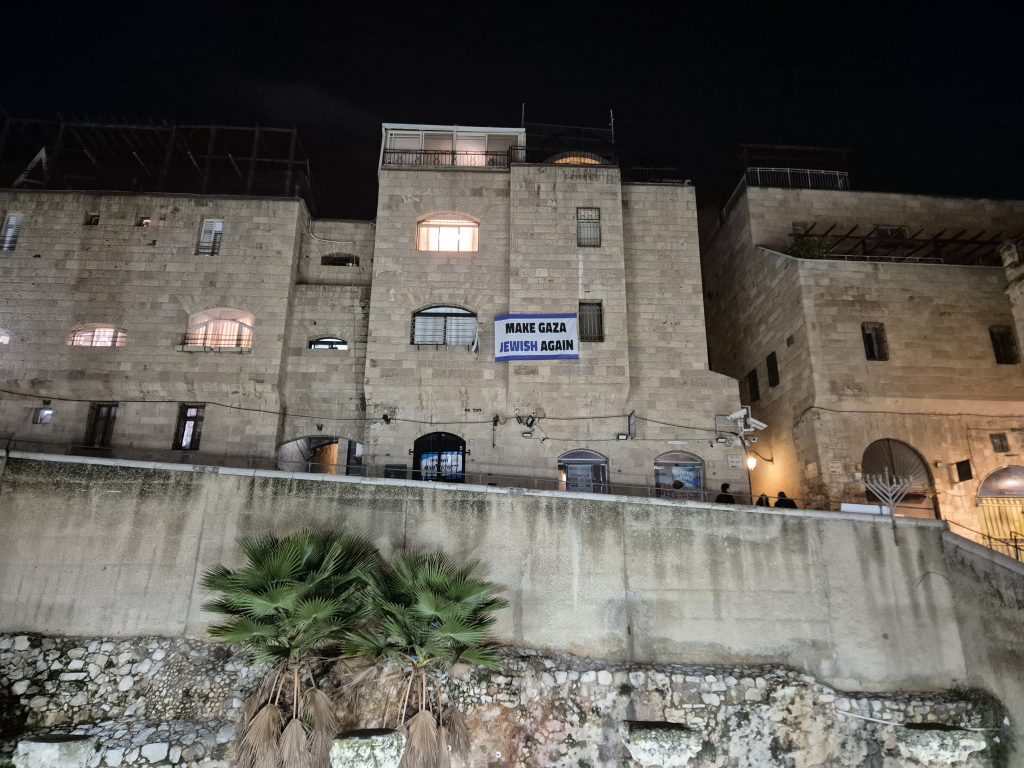
To summarize, Israel is definitively worth a trip at least once in ones life time, as it is amazing to see so many historically significant places so close together. So much of our history has been touched by the events here in former times. And while so much effort goes into mistrust, hate, disagreements between the Arab and the Jewish worlds, It is amazing to see how much both also have in common, going back thousands of years and to similar roots. Whether it be the very similar food, way to slaugther animals, washing rituals before prayer etc.
And as an inscription said: the strength of Israel is that Israelis have nowhere else to go.
Well, we are lucky that we do and so we‘re saying good bye to a very interesting yet constantly challenged country.